Tank cleaning
– that tank cleaning is a necessary outcome when diesel polishing is not performed periodically.
Tank cleaning
What is tank cleaning?
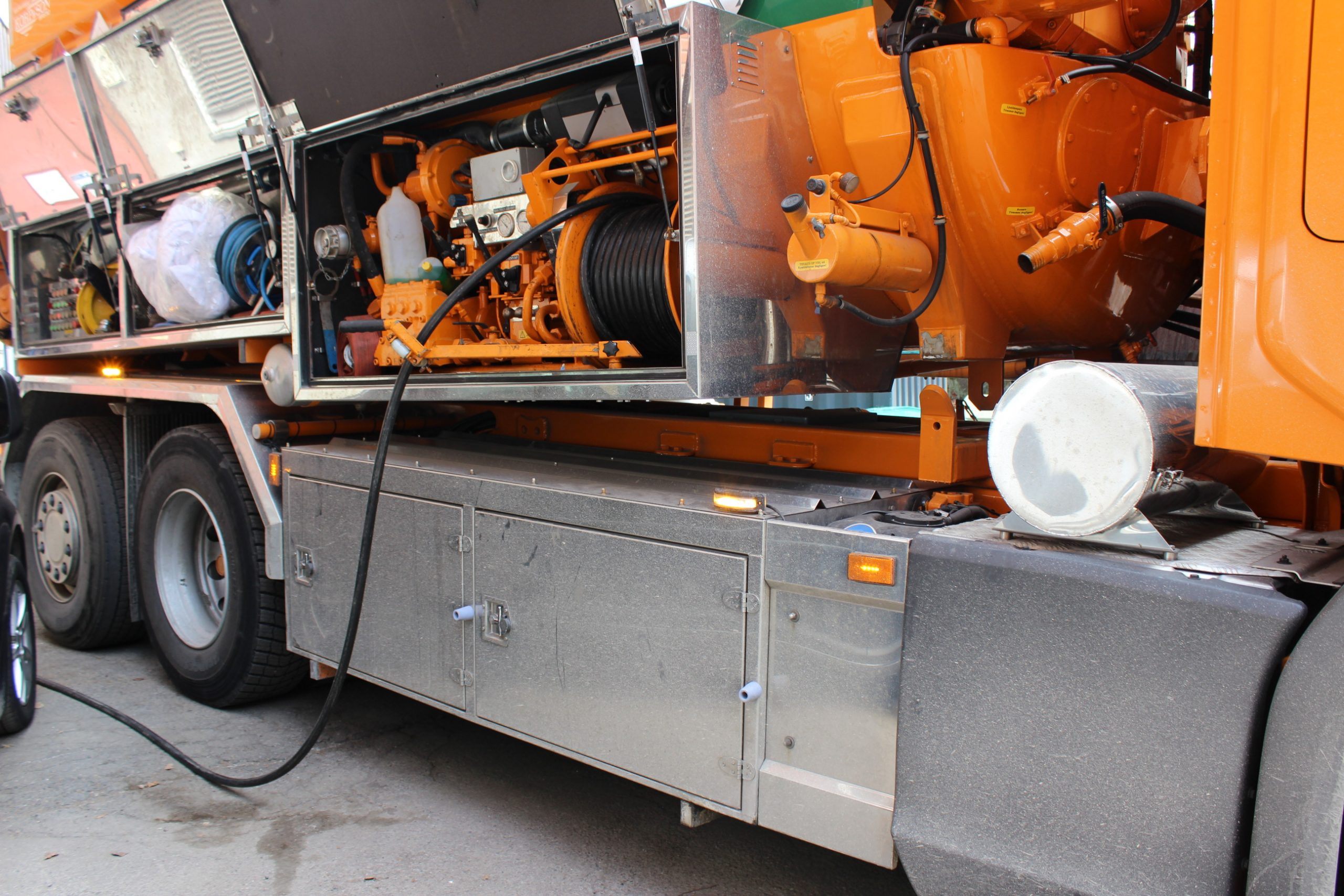
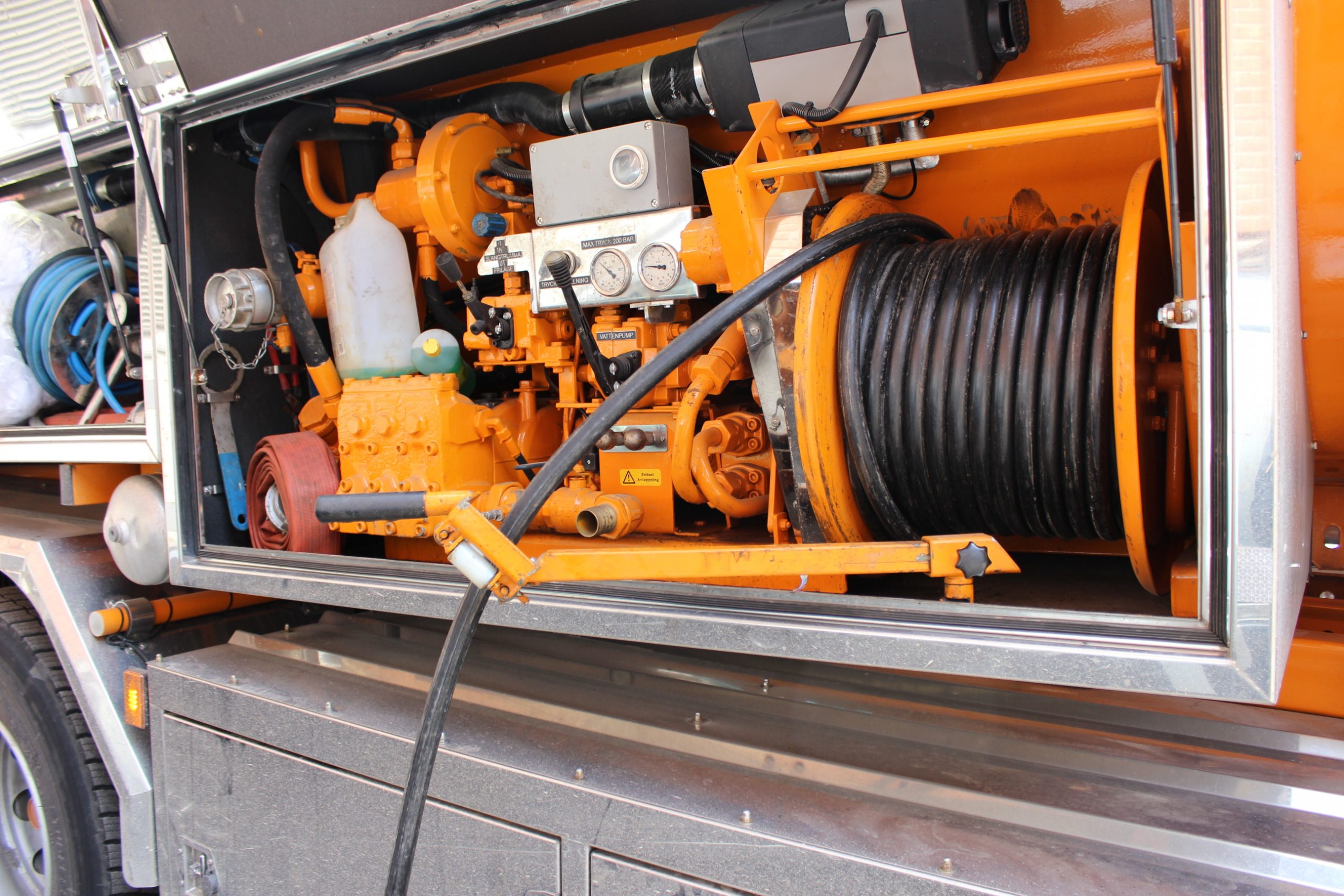
Tank cleaning, tank washing, and tank sanitation all mean the same thing. During tank cleaning, the tank’s contents are completely emptied. The tank is then either entered (man-entry) or cleaned through an opening (manway), depending on access and tank size. The fuel is pumped out into a vacuum truck, and after the cleaning process, we filter and return the fuel to your tank to ensure that the fuel going back in is free of particles, water, and bacteria.
If the diesel is not cleaned before being returned, contaminated fuel containing water and microbes will be pumped back into a clean tank. This will create a worse situation than before the cleaning. That’s why it’s absolutely critical to clean the diesel on its way back into the tank. Disposing of contaminated diesel or fuel waste is a poor solution — both for the environment and for your wallet.
Diesel stored in tanks requires maintenance — that’s nothing new. Maintenance means the fuel must be periodically cleaned. Read more about diesel cleaning here.
Diesel tanks that are not periodically polished will eventually accumulate so much contamination in the form of water, bacteria, and particles that a full tank cleaning becomes necessary to prevent equipment connected to the tank from failing.
A diesel tank is stationary. Unlike mobile tanks and vehicles/vessels, the tanks connected to a stationary diesel generator remain still at all times. Only during refilling or level changes is there minimal movement in the diesel. Unfortunately, this is one of the main reasons diesel microbes have exceptionally favorable growth conditions in these tanks. Stationary tanks have no baffles, as they don’t require them due to the lack of movement. Read more about diesel microbes here.
A tank cleaning begins with checking access to the tank. Then a sample is taken to determine the level of contamination in the diesel. In many cases, the sample alone indicates whether a tank cleaning is needed. In other cases, the sample is sent to a laboratory for further analysis.
Our Tank Cleaning Services
-
Gas measurement and issuance of entry certificates (ATEX and safety-certified personnel)
-
Condition inspection and reporting
-
Ultrasonic and wall thickness measurement of the tank
-
High-pressure or steam cleaning (200–800 bar)
-
Drying as needed
-
Emptying and cleaning of dry bulk tanks
-
Removal of waste and water
-
Pipe flushing with crawler nozzle and optional pipe inspection
-
Decommissioning and disposal of obsolete tanks
-
Underground oil tanks – excavation, cleaning, removal, and reporting
-
Basement tanks and boilers – degassing, cleaning, and removal
-
Inspection and leak testing with condition report
-
Cleaning of gasoline and diesel tanks for industry, chains, and oil companies
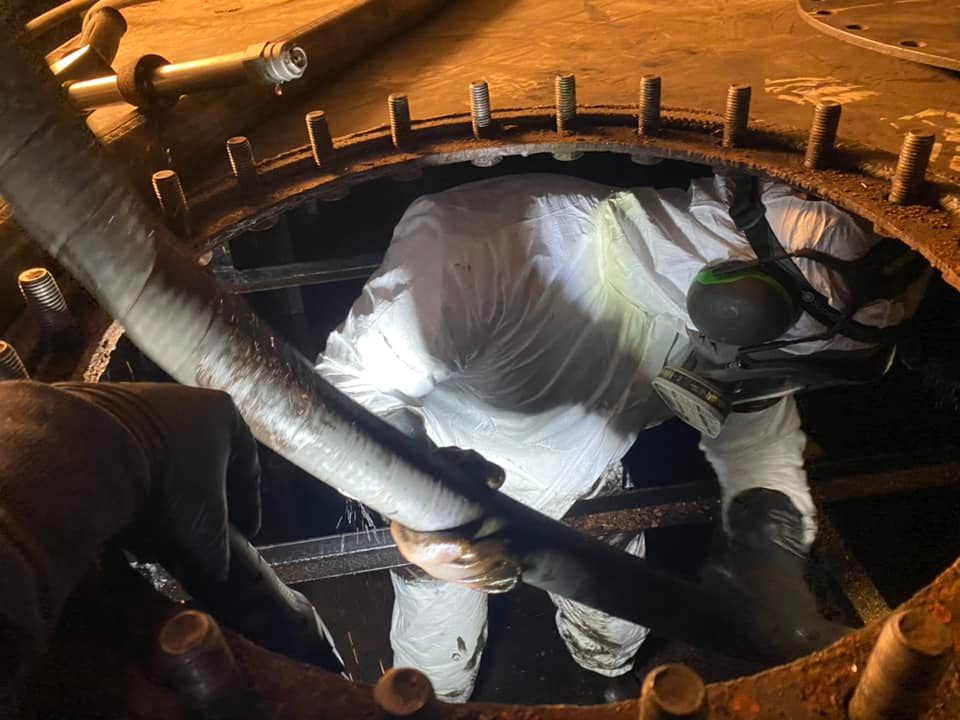
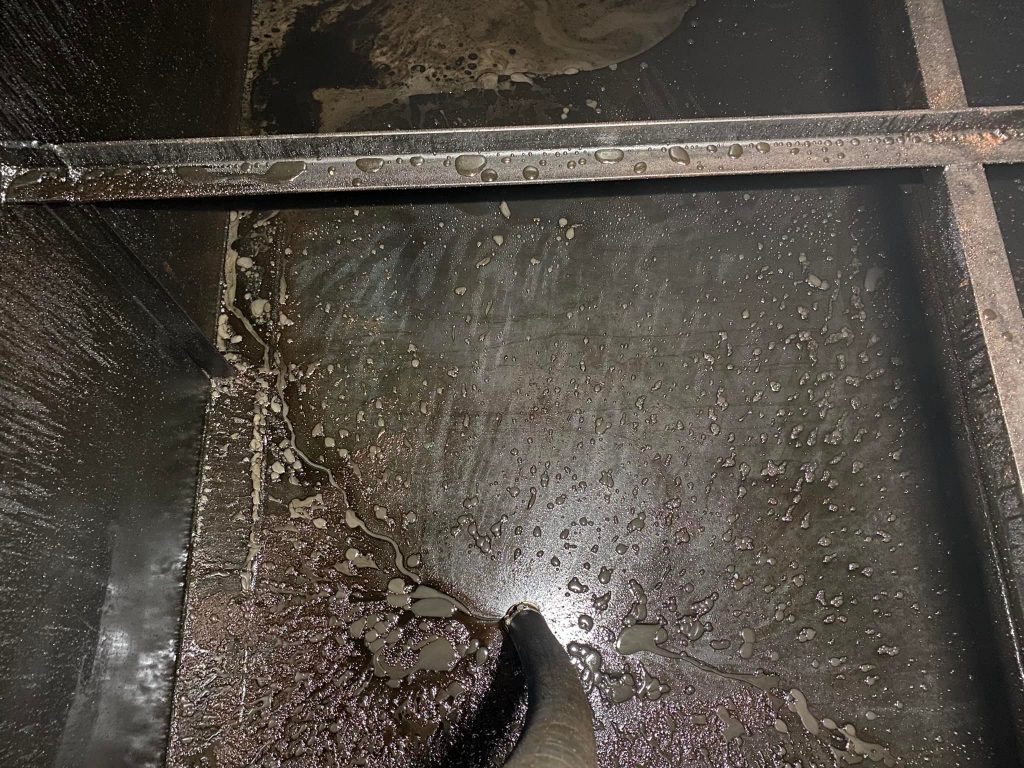
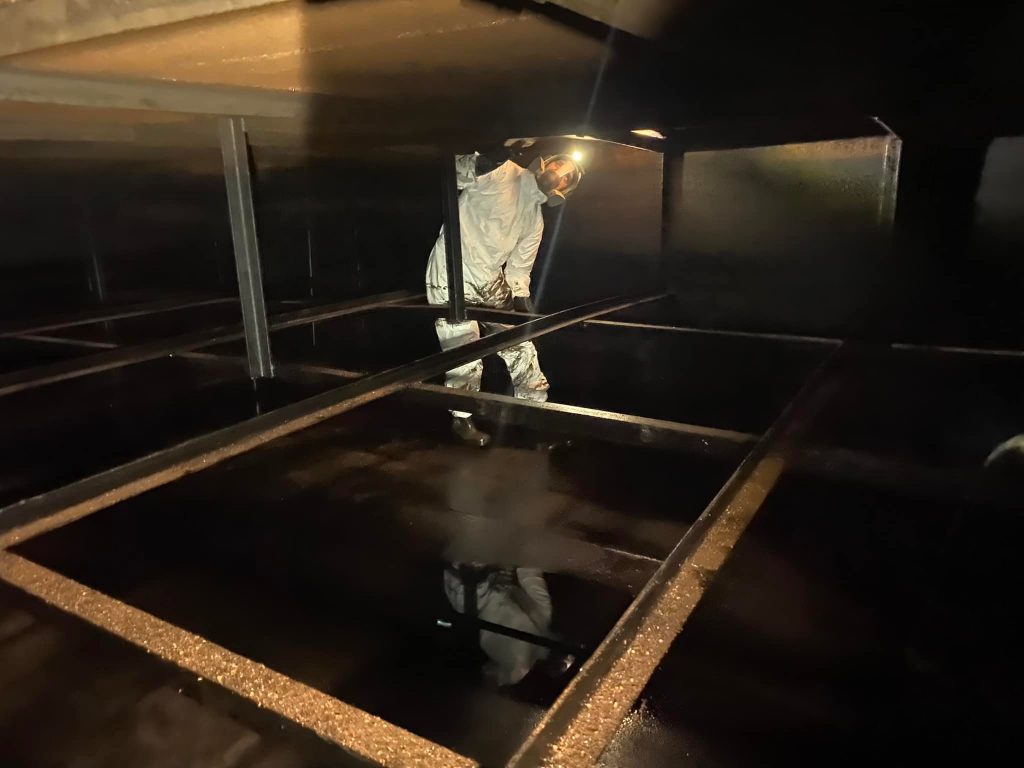
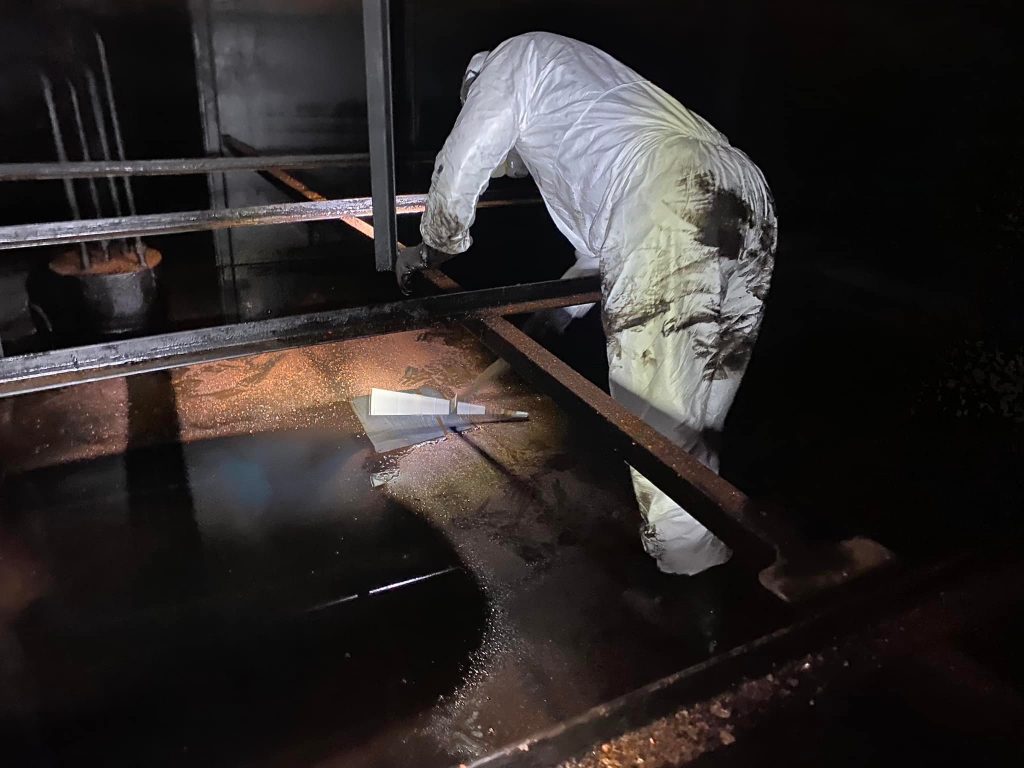

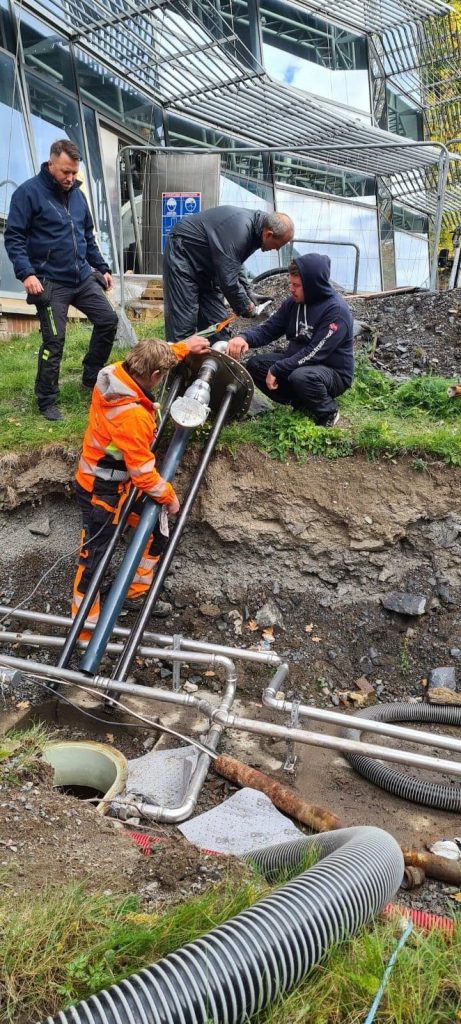
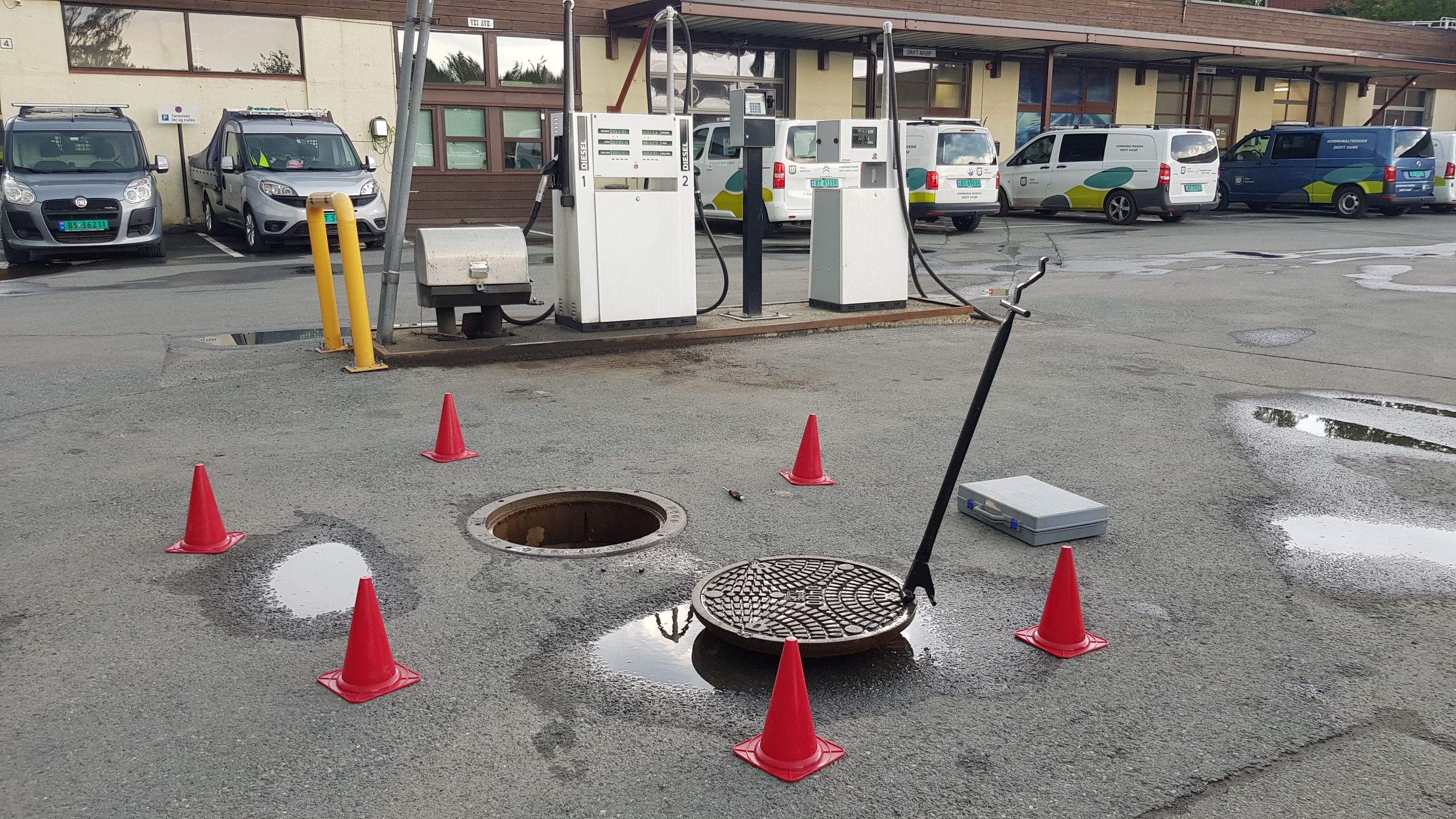
Here, the manway cover with its connected piping is being lifted.
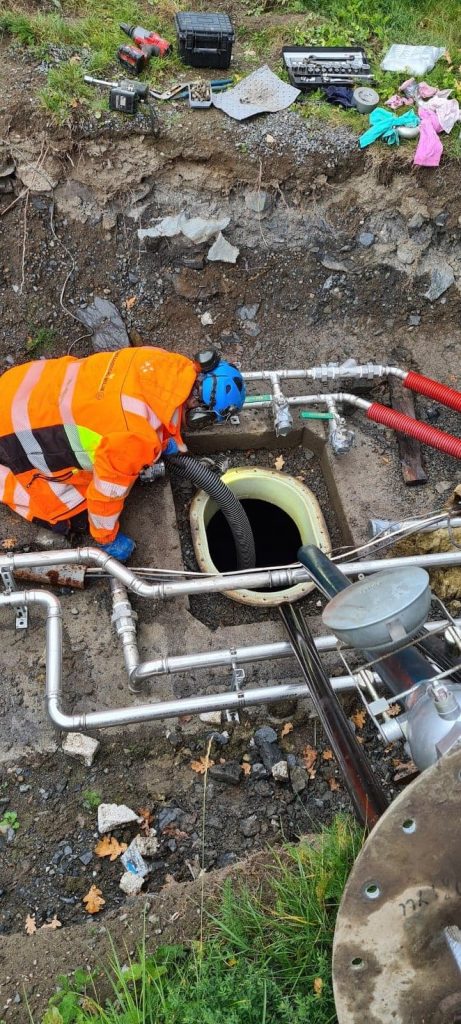
The tank is emptied before it’s cleaned internally. The diesel is not wasted.
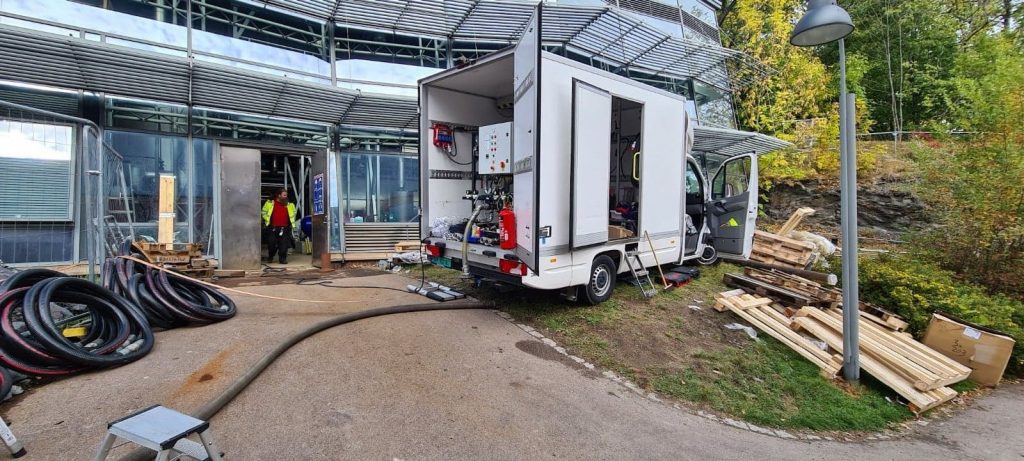
The diesel is cleaned and returned to the tank free of water, particles, and microbes.
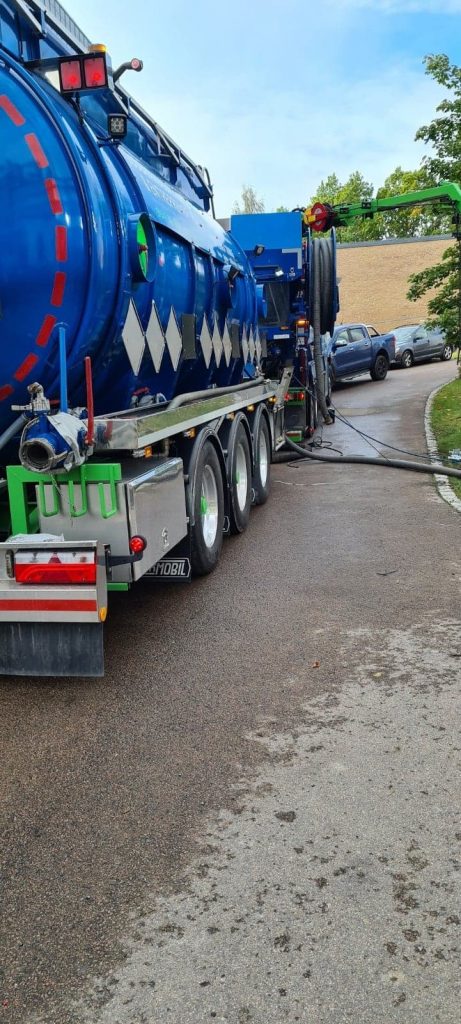
The images above show a facility where design errors made during construction required extensive excavation. We carried out a tank cleaning and filtered the fuel on its way back into the tank.
Our diesel cleaning systems are unique.
At Fuel-service, we develop our own diesel cleaning systems. Today, we are among the world leaders in diesel cleaning technology and are supported by the Research Council of Norway. We have the knowledge, the technology, and the experience.